
Now, I had to get creative when fulfilling the Y component in this series. A head cold (the first in many years) wasn’t helping the brain clogs turn over faster. As they say, it all turned out just fine in the end. The lightbulb pinged when I remembered a visit near Yaldhurst. We were on our way to the Antarctic Centre.
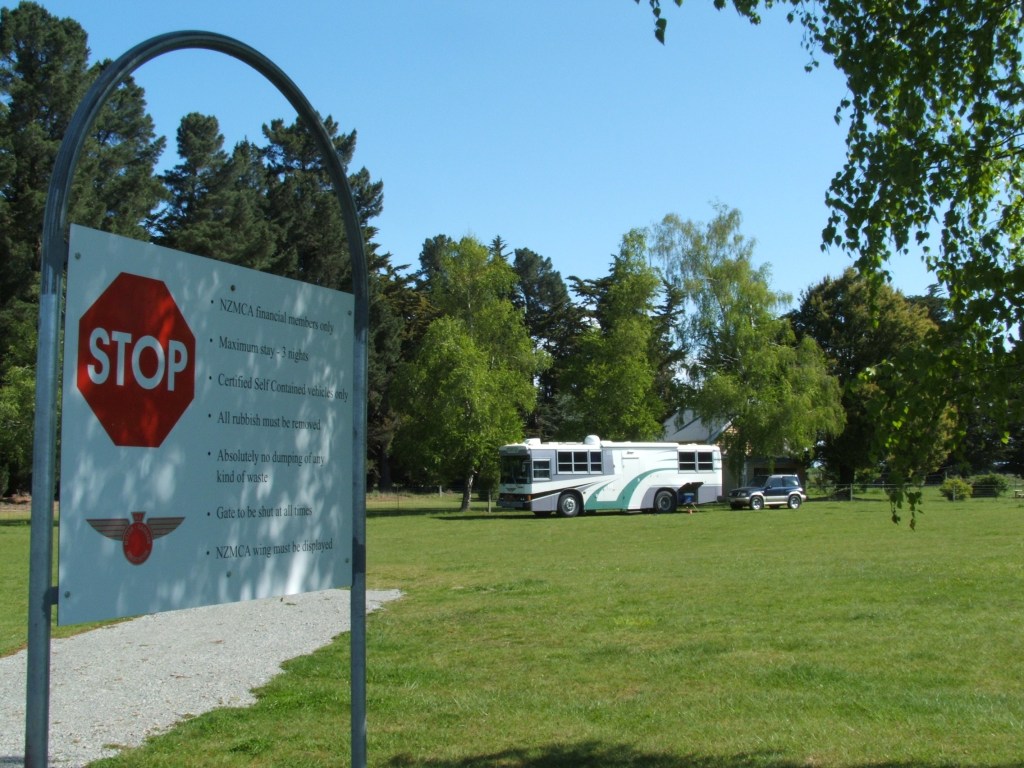
We stayed at numerous NZMCA parks. Those blissful days in the early 2000s when space wasn’t a luxury, though, we would have a few tourist vans around us some nights. I’m guessing that our motorhome size gave them a sense of security from the weather and undesirables.

Before I digress any further, let me share the whereabouts of Yaldhurst. It is situated southwest of Christchurch city, suburban and semi-rural. Like many other rural places, there is always a memorial hall; the one at Yaldhurst seems to be on its fifth stay of execution, perhaps similar to Christchurch’s cathedral. Still standing and still requires a sign, “Save the Hall.” Sadly, trying to save small rural towns seems like a losing battle.

So, how did that pocket of land get bestowed with the name Yaldhurst?
The story begins with an early settler and horse breeder, Frederick William Delamain (1835–1910), who owned a horse named Yaldhurst after some stables from his uncle in England. Delamain and fellow settler John Taylor, who admired the horse, agreed to change the name of the locality to that of the horse, Yaldhurst.
Today, the fast-growing city of Christchurch will soon replace that semi-rural area with suburbia if it hasn’t already.

If it’s not halls or churches that transport us back in history, it will be vehicles, primarily cars. Now, who doesn’t like romanticising their first love with four wheels?
Then, a visit to Yaldhurst Museum with it’s Rust in Peace collection of cars. This museum was established and opened to the public in 1968. Unfortunately, it wasn’t open when we were there, though I have heard it is worth visiting from those in the know.
There was always something else that caught my eye worth capturing.
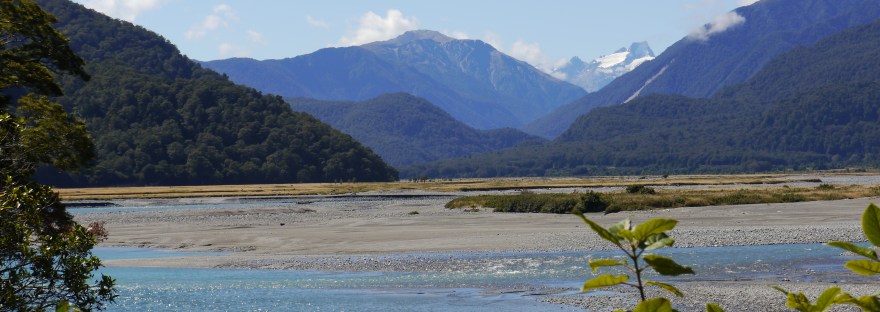
Cover image: The Waimakariri River, the largest river in Canterbury, flows 151 km from the east coast towards the Southern Alps. Approximately less than an hour from Yaldhurst.


OMG how long have I been reading your posts and I’ve only just realised they are ‘literally’ A-Z
LikeLiked by 1 person
Funny girl, not an issue at all. Pleased you took the time to write a comment 🙂
LikeLike
Calling a place after your horse is a new one on me!
LikeLiked by 1 person
There’s always one that stands out for various reasons. It’s like the person who named our two islands North and South, well, that was creativity at it’s lowest point. The Maori names are far more descriptive, perhaps pronouncing me more difficult.
LikeLiked by 1 person
For a lady with a clogged brain, you’re not doing so badly…. Nostalgic look at Les. I have a few photos of Mick when we first met… precious!
LikeLiked by 1 person
To improve this post about a not too interesting place and take it to the next level, I included Les and the motorhome 😁 Yes, photos are precious. Thanks, Jo.
LikeLiked by 1 person
A very entertaining response to that light bulb. I trust you are now unclogged
LikeLiked by 1 person
Fascinating story! I grew up in Kansas (in the very middle of the USA and figuring prominently in many western and frontier stories) and even there we didn’t have a town named for a horse 🤣
LikeLiked by 1 person
It’s not so much a town as a small district which is fast becoming suburbia. Well, it would’ve been in our Wild East days as Canterbury is on the East Coast. I remember watching a few Western TV programs back in the day, though I’m sure my brothers enjoyed them more than myself. Thanks for commenting.
LikeLiked by 1 person
I guess naming a town after a horse isn’t the craziest thing. We have a town in New Mexico named Truth or Consequences which changed its name from Hot Springs because of a contest on a radio show (called, of course, Truth or Consequences).
LikeLiked by 1 person
Yes, that is slightly tacky and from my point of view Hot Springs seems more enticing for visitors. I suppose the name would attract more of those TV program watchers.
LikeLike
It happened way back in 1950, so I imagine nowadays most people have never heard of the show.
LikeLiked by 1 person
Funny, how most indigenous place names have more meaning than the settlers contributions.
LikeLike
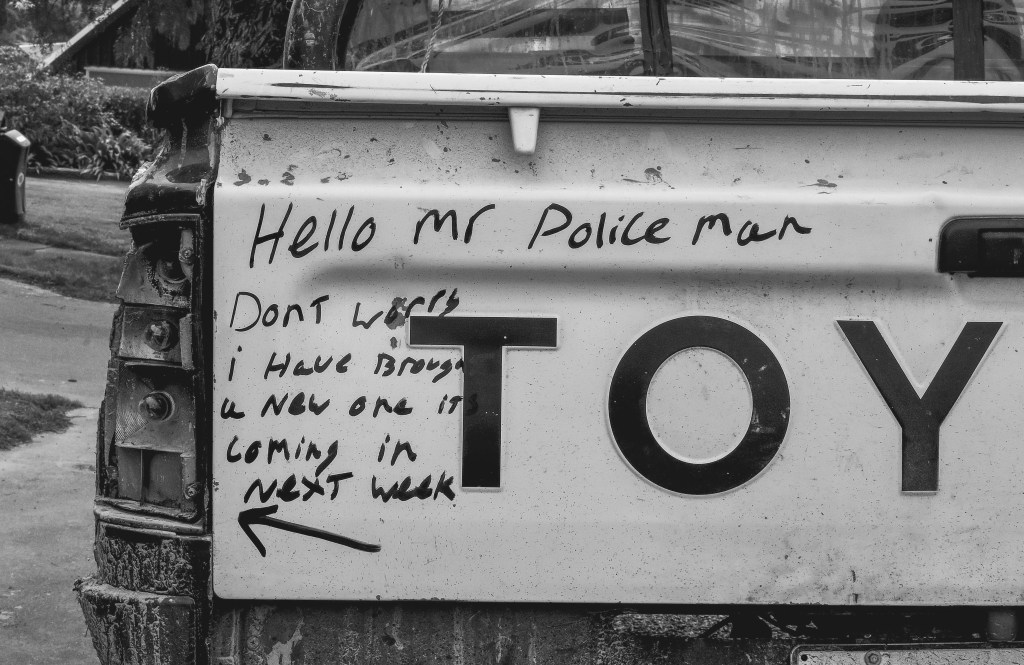
I love the writing on the back of that truck — and this place is beautiful
LikeLiked by 2 people
The writing on the truck is pure rural humour. Inland Canterbury is a stunning place.
LikeLiked by 1 person