
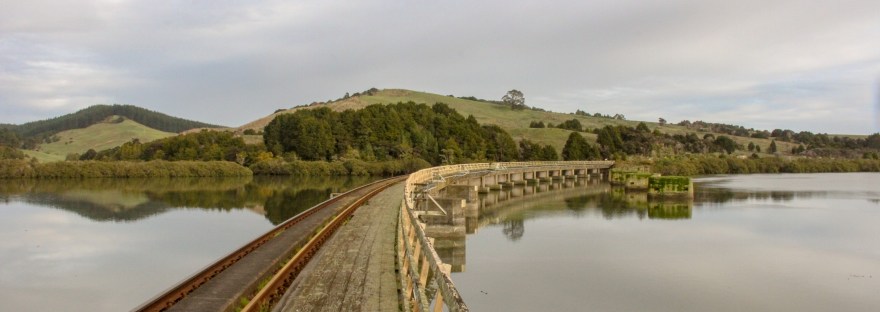
In my series of A-Z of NZ Locations, I will take you for a meander around areas that are unique gems, some yet to be polished though worth a visit for either historical reasons, culinary delights or for the sheer vistas.
The Kaipara Harbour is the largest in the Southern Hemisphere. Due to it’s size, it encompasses Dargaville in the north and stretches south to Helensville. At the same time, five big rivers wind inland, fragmenting the landscape and rendering it a challenge to explore. It is a vast, enormous area as the harbour covers 947 sq km at high tide and over 3000km of shoreline.
A few snaps around the shoreline
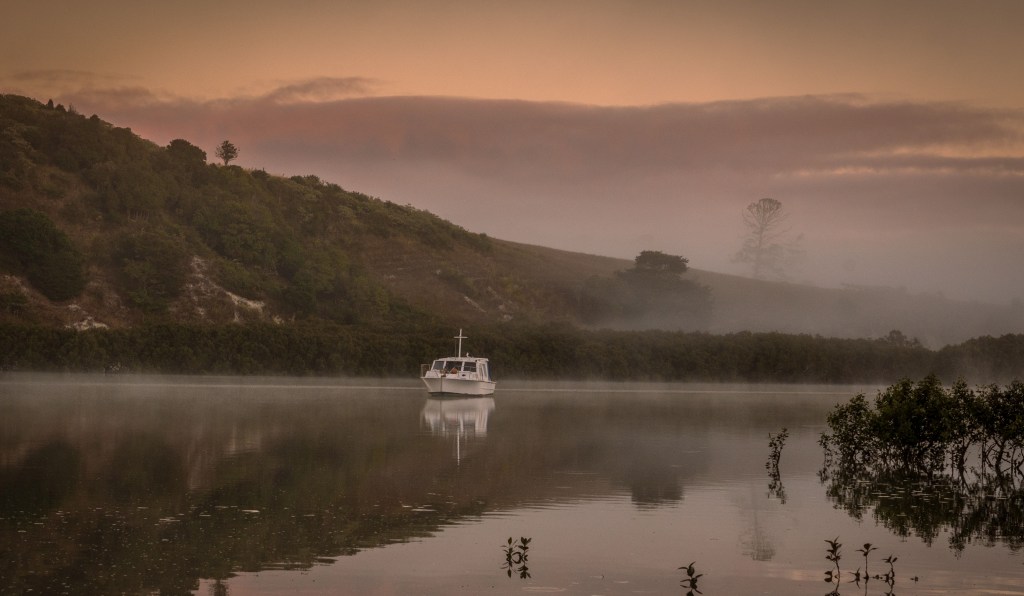
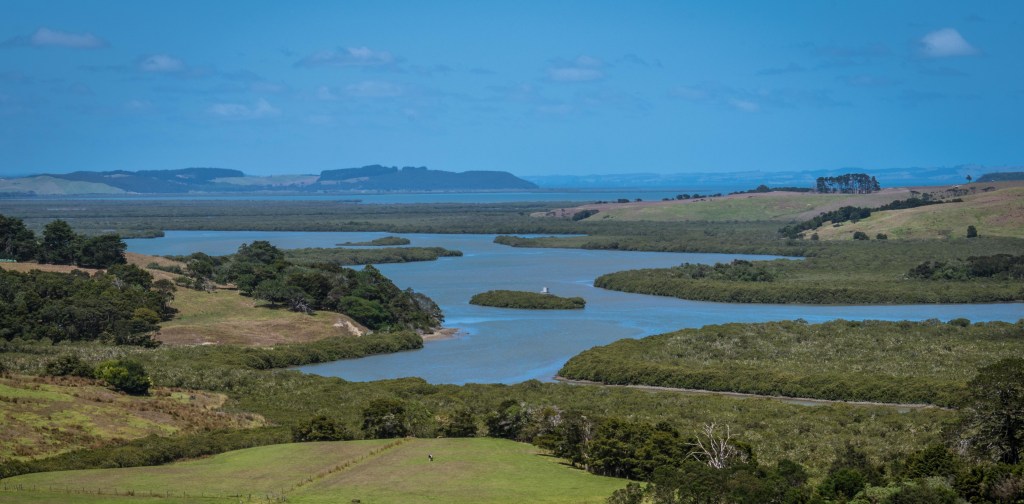
Roads lead down peninsulas to half-forgotten settlements with no through routes. However, this remoteness lends the Kaipara charm, as it’s a region full of surprises.
Pahi
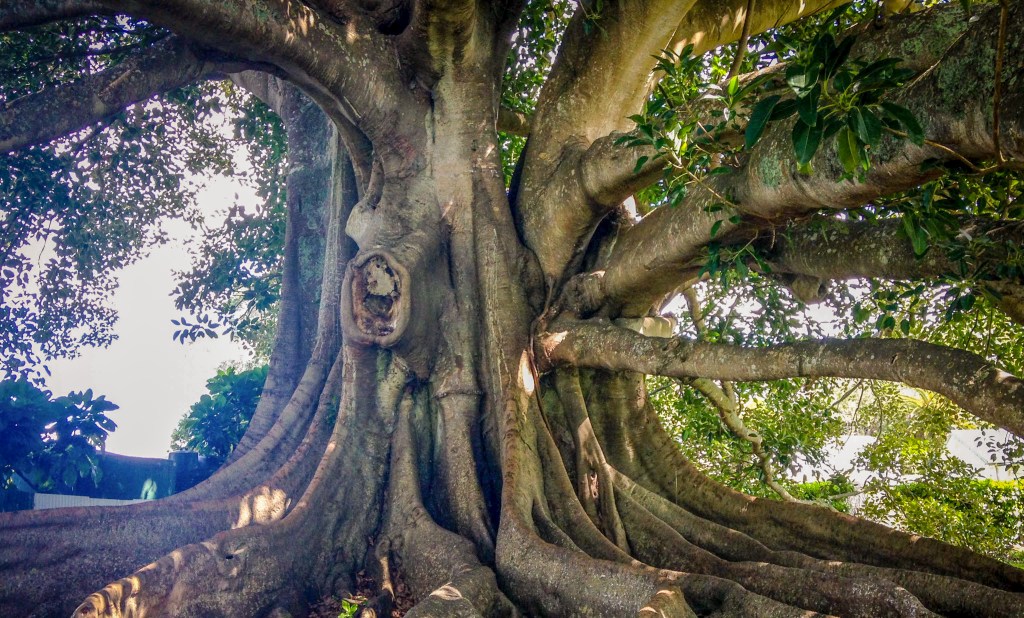
Like most Kaipara settlements, Pahi was booming in the late 1800s when the extensive kauri forests were felled and milled. Roads were few, and transport was by water. Nowadays, the Pahi waterfront is a picturesque area dominated by a massive Moreton Bay fig tree planted approximately 1840. This magnificent tree is recognized as one of the world’s most giant. The following measurements were taken in 2011. Height 25.7 metres Girth 14.8 metres Spread 51.0 metres
Near Matakohe, we visited the Kauri Museum, much to the delight of the Squire, who is interested in anything to do with wood. On this visit, we learned something about the area’s history, especially the importance of kauri. Seeing the harbour today, it is hard to imagine the kauri forests that once grew thickly right down to the riverbanks.
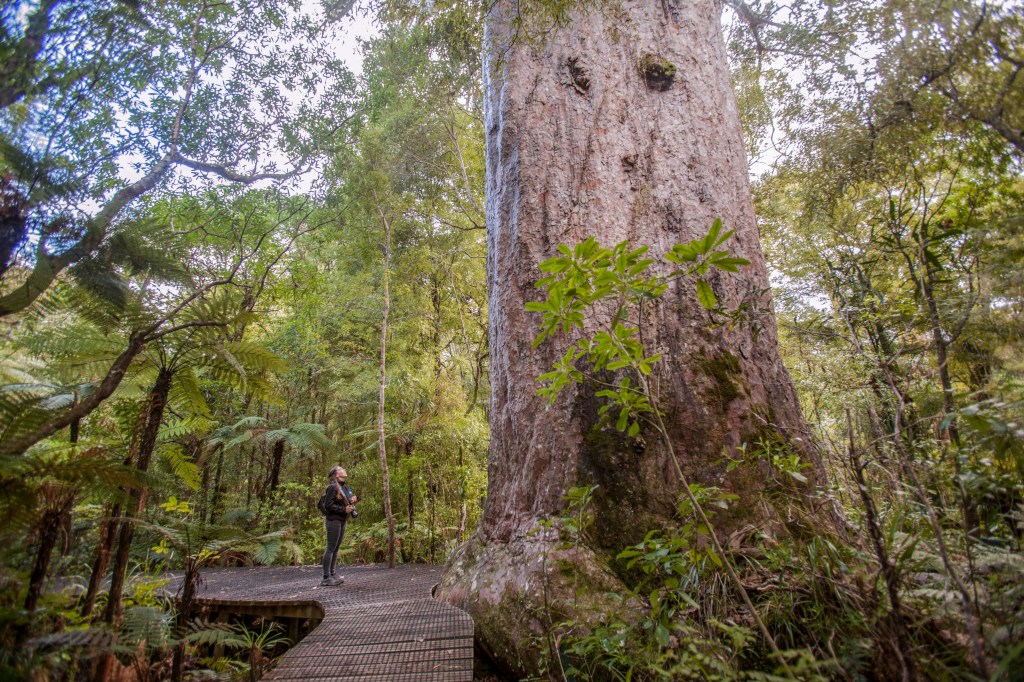
It was kauri that brought many Europeans to the area – as bushmen, saw-millers, gum diggers and traders. Many people moved on when the boom ended, while others stayed as settlers. At the museum, we were amazed to see representations of the massive fallen trees, some much bigger than the giant Tane Mahuta. A kauri slab 22.5 metres long dominated one room while we admired beautifully crafted kauri furniture in another wing. There were many kauri gum exhibits, including a Maori chief, a sailing ship crafted from gum, and insects cleverly entombed in amber. Where once kauri was considered a resource, the remaining pockets of kauri forest are now treasured.
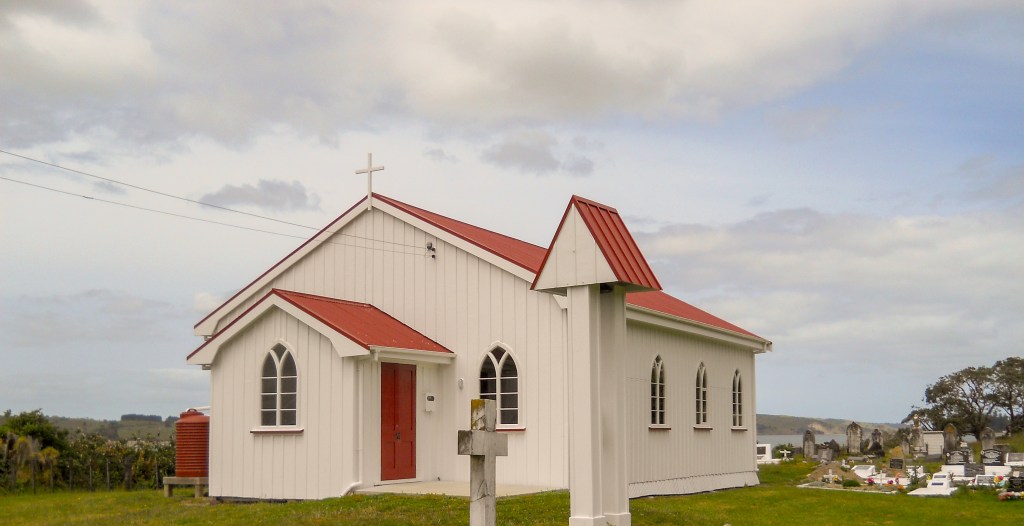
At nearby Tanoa, a small church nestled into the landscape. It was built in 1874 by the missionary William Gittos, who established a mission here after overcoming tapu connected with the slaughter of local Maori by Ngapuhi. It was another place that had seen a turbulent history but was now tranquil.
Port Albert
If you take a side road meandering through picturesque farmland, you will arrive at Port Albert. Earlier pioneers imagined the Kaipara area would eventually have a city larger than Auckland on its shores due to it’s expansive size. Those settlers arrived from England to find only bush-covered plots of land beside the river, where they expected a bustling settlement. Yet again, we discovered a virtual ghost town, the scenery as empty as the Albertlanders found in the 1860s – except now the bush was gone.
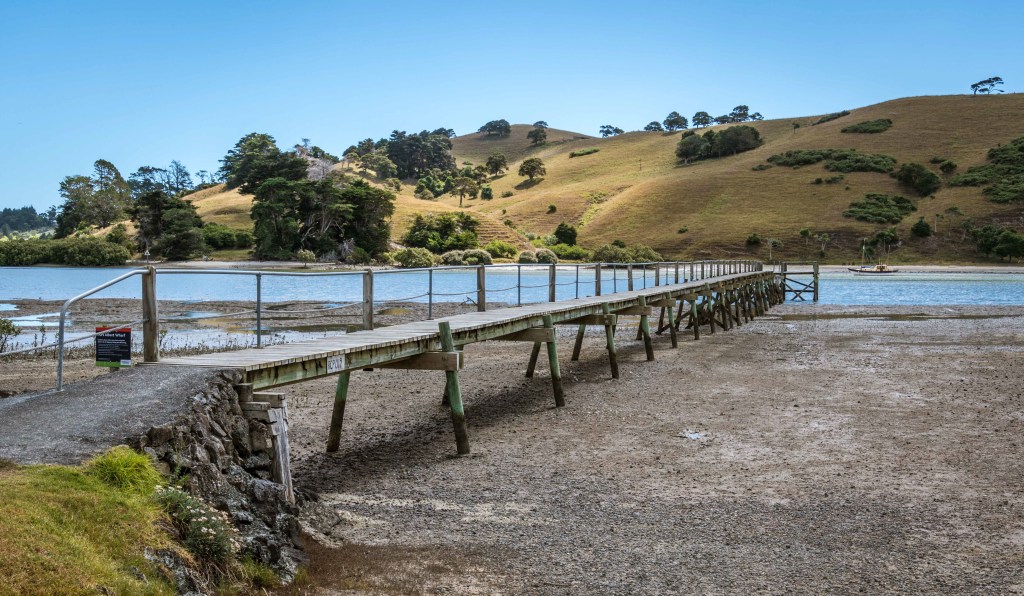
We strolled around the area that was once going to be a city; its main point of interest was now the long wooden jetty that stretched out into the Oruawharo River. A nearby memorial commemorated the settlers.
Minniesdale Chapel and Cemetery
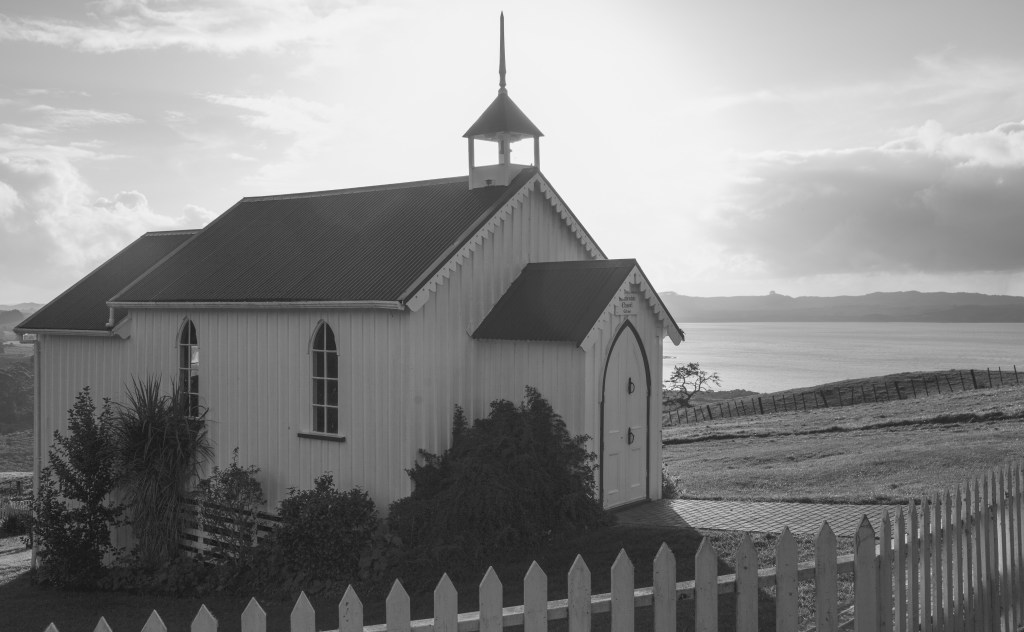
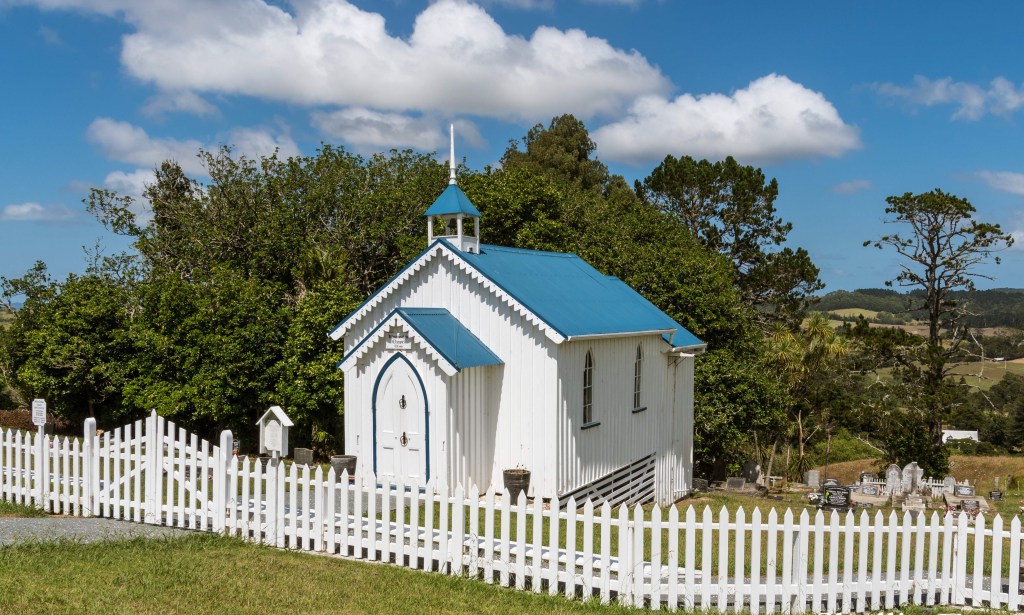
Driving west on the Okahukura Peninsula, we came to an area where most of the settlers in Port Albert and the surrounding areas were nonconformists. These Wesleyans and Methodists built churches as a priority, and the one called Minniesdale Chapel is the oldest surviving in the area. The framework and stained glass windows were brought from England by the Rev Brookes and set up in this beautiful position overlooking the river. Spending some time exploring the pretty, category 1-listed building was a privilege. The chapel’s white-painted exterior gleamed, and ornate fretwork completed the picture. Inside, the woodwork was unpainted, and the simple bench seats and pulpit exuded a sense of calm. Windows framed the waterside scene.
There are a variety of walking tracks around this area. The Kaipara Harbour’s incredible scenery and thought-provoking history make it a special place to visit.

 Life at No. 22
Over 3000km of shoreline: Amazing!
LikeLiked by 1 person
Yes, she meanders around and around. I think it would be a lovely place to be on a boat and lose yourself in the various harbour inlets. Though, I’m not sure how viable that is.
LikeLiked by 1 person
So many places of which I’ve never heard, Suzanne. Such a beautiful far reaching harbour, and those trees are gigantic, while the chapel is beautiful. I love the figs with crazy roots too. Andrew Petcher was here the other day. He’s down in Cadiz now and I saw a photo on Facebook of one of his friends posed within the embrace of a fig earlier today. Small world, really, isn’t it?
LikeLiked by 1 person
So, good to introduce you to new places, Jo. It is a small world. Cadiz was a very enjoyable place to stay for Les and I, many good memories during the festive season. I am a big tree lover and nature never ceases to amaze me, like those fig trees.
LikeLiked by 1 person
Looks like a place of magnificent trees and little white churches.
LikeLiked by 1 person
I’m taking notes on your NZ posts Suzanne, you’ve got a lot of information here. Thanks for them. I’ve never been to the north but hopefully one day. 🙂
LikeLiked by 1 person
You are kind, thank you. Yes, hopefully an opportunity will eventuate and you can visit Aotearoa one day 🙂
LikeLiked by 1 person
Another beautiful spot. I was fortunate to see Tane Mahuta, these look as lovely.
LikeLiked by 1 person
It is lovely and to see Tane Mahuta is a privilege and amazing to think our earth was once full of them.
LikeLiked by 1 person
As a species we’re very effective at using up resources, aren’t we? We visited in 2014 but just scratched an enormous surface clearly! Love those tiny chapels and churches.
LikeLiked by 1 person
Agreed, we are very effective without thought to the future with our natural resources. At the moment, the kauri in our local forest (Kaimais) are fighting off the Kauri Dieback. Fingers crossed they win the battle as it is a treat to see these trees in their natural habitat.
I would imagine most locals would not have seen all of what the Kaipara Harbour offers. You two had much to see else where, impossible to see everything, isn’t it?
LikeLiked by 1 person
Oh indeed. I know I need to return
LikeLiked by 1 person
Wonderful photos, Suzanne. It looks an amazingly beautiful area.
LikeLiked by 1 person
Thanks, Cathy and yes it is a very expansive area and enough room to enjoy a view without the crowds.
LikeLiked by 1 person
More fine descriptions, history, and photographs. I particularly like the trees
LikeLiked by 1 person
Thanks Derrick and those trees are magnificent aren’t they. It’s certainly mind boggling to imagine that there was acres and acres of deep forest years ago.
LikeLiked by 1 person
Suzanne, that fig tree looks like our Banyan trees in Florida. I can only imagine how magnificent seeing it up close would be. I love your photo of the little chapel with the blue roof. Thanks for sharing your part of the world with us.
LikeLiked by 1 person
Hi Suzannne, thanks very much and pleased you enjoyed the post. The fig tree can be found in Australia too. I haven’t seen a Banyan Tree in real life though the images show that they too are magnificent trees.
LikeLiked by 1 person
Beautiful area. Both the little chapels are pretty, but I specially like the blue one.
LikeLiked by 1 person
Apologies for the late reply it has been one of those weeks, the ones that you wish never happened 😉 It is a beautiful area and a chapel with an ocean view is special.
LikeLike
That’s fine, life’s like that! No apology necessary.
LikeLiked by 1 person
This looks like an amazing area. New Zealand sure packs a lot in. The chapel is sweet.
LikeLiked by 1 person
It’s a shame we strip away all the old growth trees. I do love that picture of the tree but if it’s just from 1840 imagine what it must have replaced. Thanks for sharing your travels with us.
LikeLiked by 1 person
Thanks Jennifer as we are only a young country as far as NZ Europeans go, not long before 1840 is when written documentation was done on life in NZ. Maori are a culture where knowledge is passed down verbally via discussion, pūrākau (legends) or waiata (song).
LikeLike
Enjoyed this read Suzanne and you’ve enlightened me! Here I was thinking that Port Jackson/Sydney Harbour was the largest (natural) harbour in the southern hemisphere…
The photo of the chapel is delightful and it’s wonderful to see that these lovely heritage buildings are being looked after. Would love to see a photo of inside the chapel looking out of a window out to the harbour.
LikeLiked by 1 person
Nilla, thanks 🙂 Regarding Kaipara Harbour being the largest, our Department of Conservation thinks it is. Perhaps the difference is the word natural as in its natural state and not having a city attached to it? Hope the travels are going well?
LikeLiked by 1 person
No idea, but you’ve educated me anyway… 😉
Travels are going really well and just crossed the border from North Macedonia to Sofia, Bulgaria. Getting closer to the Ukraine and although no response for volunteering yet, we’ve decided to fo there and door knock.
I’m way behind in my posts and have 53 posts in draft…I’ll never catch up at this rate!
LikeLiked by 1 person
Fantastic photos! I love those little quaint chapels.
LikeLiked by 1 person
Thanks very much, and I can visualise the chatter of people coming together there on a Sunday morning.
LikeLike