
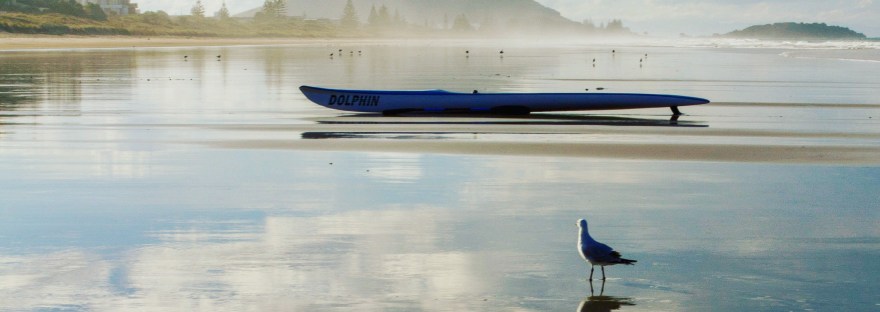
On January 21, a humid summer evening, we stood by our large lounge windows, exclaiming that this amount of rain doesn’t feel good and wondering which part of our city would be impacted. We’re accustomed to deluges of rain. There was nothing new there, though that night we felt the dread for no particular reason other than the statistics Metservice warned us that were coming our way.
It was to be one of those scary weather events – 244mm of rain dumped in just 24 hours. Nothing like it before, they said, not since records began more than 100 years ago.
Twenty-four hours later, the sun peeped out, and the red rainfall warning was lifted. I was surveying the damage to some plants in the garden and breathing a sigh of relief, the weather hadn’t completely wiped out the cosmos and tomatoes, the weather was now calm and had completed it’s course.
However, this wasn’t to be.
Our neighbour came to the fence and enquired if I had heard the news. After sharing our mutual disbelief, I went upstairs to tell Les that our plans to visit the beach wouldn’t happen that day.
The Aftermath
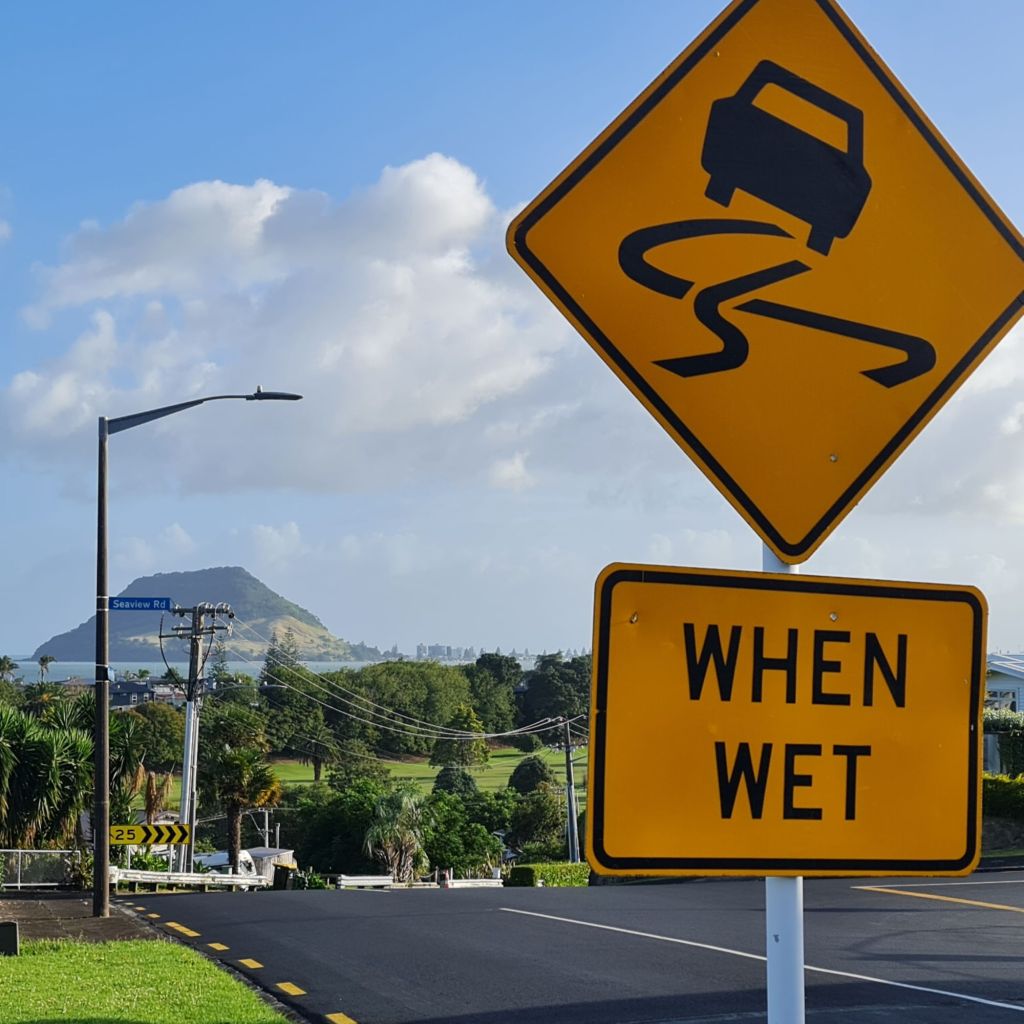
At approximately 9.30 am on January 22, part of a sodden hillside (Mauao) yielded; it was literally on the move, groaning, rumbling, sliding, and eventually consuming the back of the Mount camping ground. Six people are dead. The unprecedented amount of rain not only affected Mount Maunganui but also the Papamoa Hills, where two more lives were claimed.
Surely this is something that happens elsewhere, anywhere but here. Not so, I am reminded. Landslides remain New Zealand’s deadliest natural hazard. Think Cyclone Gabrielle, 800,000 landslides across 100 square kilometres. The evil Gabrielle was the most extreme landslide-triggering event ever recorded globally. So why would I think we’re immune?
This event dominated the news headlines, and while it was a tragic weather event, another community was grappling with yet more damage to its precious land and homes. It was the East Coast of the North Island that was affected, and some places that had been affected by Cyclone Gabrielle. Weeks have gone by, and there is still further progress toward gaining full normality to or from some of the affected, isolated areas.
These stories are obviously not new here nor around the world. It would seem that some of us, if not all of us, need to get our heads around the fact that they are now to be classed as regular weather bombs.
Some will need to rethink where they live. Can they afford not to have insurance? Local councils are deeming many properties “at risk”, creating a major issue when trying to sell.
I feel incredibly sad not only for the lives that are lost in these events, but also for the loss of a lifestyle and their sense of belonging to that whenua/land that many have worked their lives to enjoy and be at peace. On a positive note, many areas of Tauranga are now being utilised more for leisure activities now that Mauao is unusable.
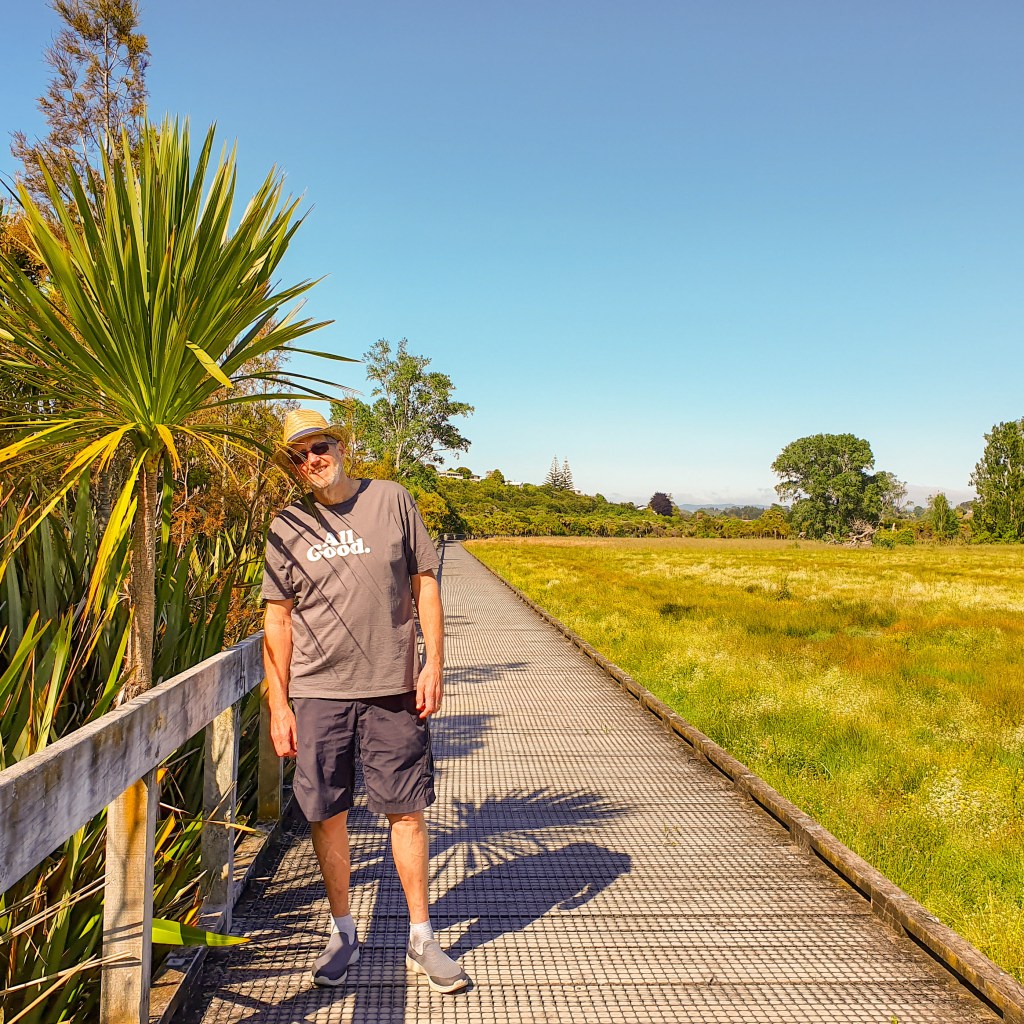
Those who have been fortunate to spend time in these affected areas will have many heartwarming holiday memories, everyday life moments and stories of their physical achievements to share until these places return to “normal” (if at all) as they were before the weather event. We all hope for good endings, and, like all good things, it will take much dialogue, patience, empathy for cultural beliefs, and much more time to heal the soul of our whenua (land) and our people.
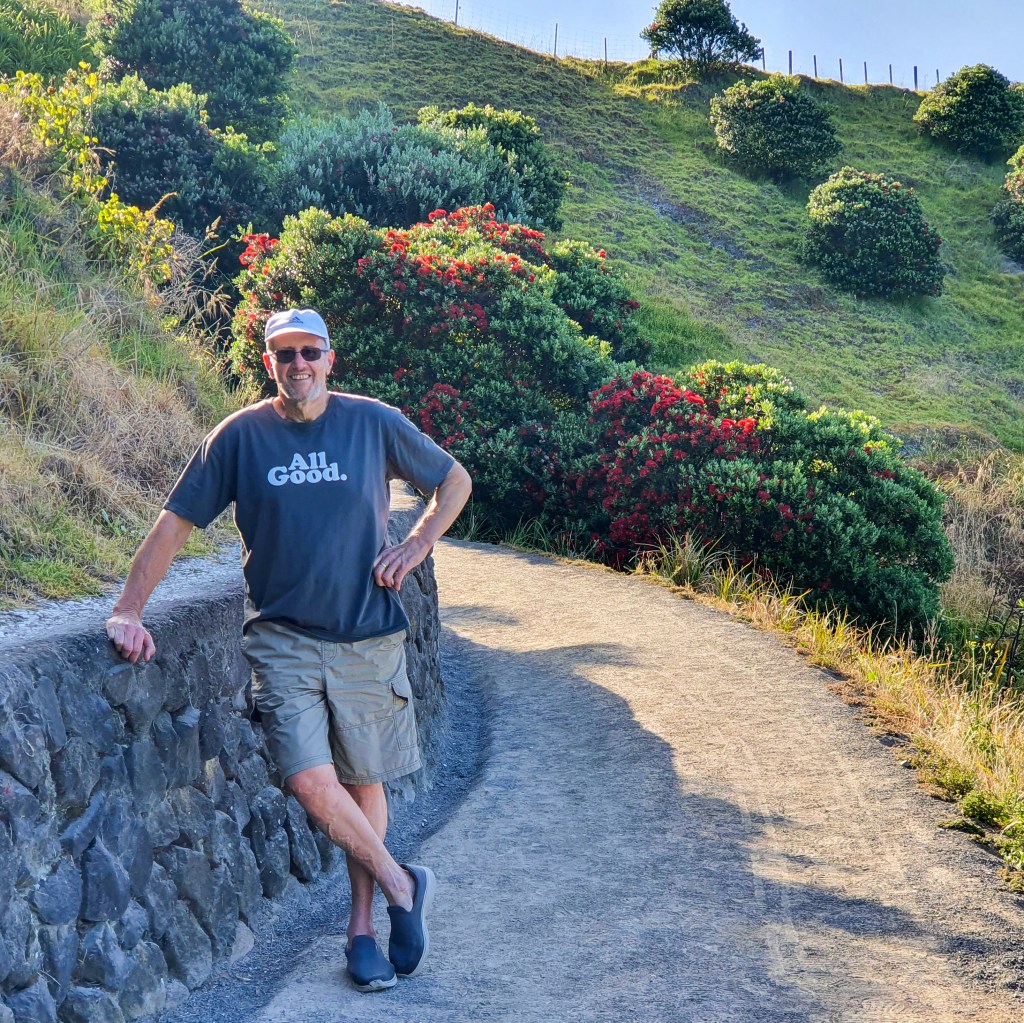
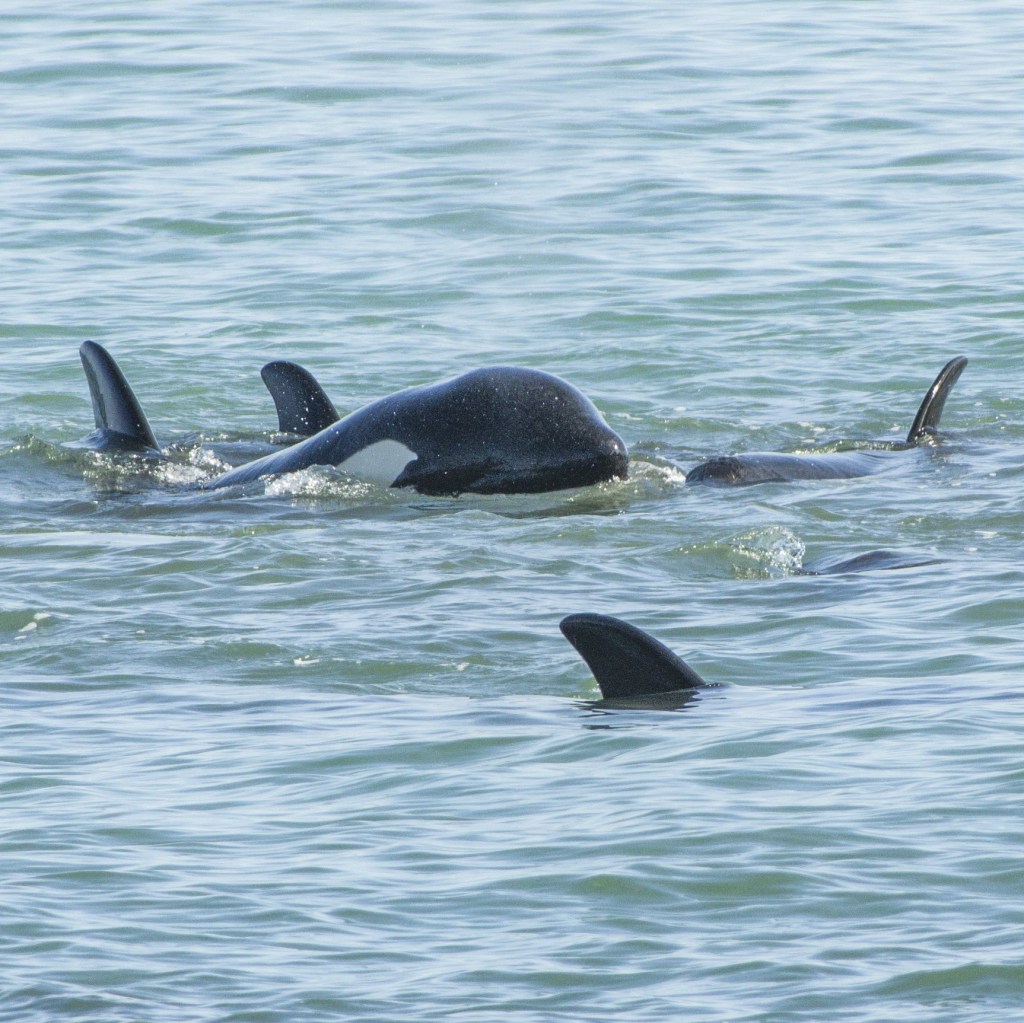
Here are a few magic moments of mine
Updates on the process can be viewed via the Tauranga City Council website

 Life at No. 22
Hard to find a response, Suzanne. I guess until you’re personally affected, much of this doesn’t seem real. When we look back, there have always been disasters- witness Pompeii- but that doesn’t make it any easier when the disaster is so close to home. As you suggest, these things happen to ‘someone else’. Watching the painful recovery process is hard xx
LikeLiked by 1 person
I wasn’t personally affected as such, though I do miss having the opportunity to enjoy the scenic area around Mauao. This post is a recognition of something that happened in Tauranga. My heart goes out to those families that are affected by our weather events. Going forward I think we all need to adjust to a new normal.
LikeLiked by 1 person
A sad situation. Landslides are an unfortunate fact. Sometimes we have a clue where they’ll happen, but others seem completely out of the blue.
LikeLiked by 1 person
The experts have mentioned that they are not predictable though common sense tells me that there are certain things which we should put in place. Just a highlight of never taking for granted our safety during and after a weather event. What astounds me is the lack of patience from locals who want the area to be opened just so they can walk around or up the mountain. Yes, it’s going to be an interesting time in the coming months/years.
LikeLiked by 1 person
You definitely live in an area of dramatic scenery, and dramatic natural events too. Xx
LikeLiked by 1 person
You could say we don’t do things by half 😉
LikeLiked by 1 person
Enormous storms, mudslides, floods, forest fires —- these have become pretty common in one part or another of the planet. Not to mention melting glaciers and rising sea levels.
LikeLiked by 1 person
Very true, and for many, it means a total change of lifestyle as in shifting from where they live.
LikeLiked by 1 person
So very unsettling. Good to see Les looking All Good
LikeLiked by 1 person
A favourite t-shirt that is now two sizes too large.
LikeLiked by 1 person
I remember this happening – so sad.
LikeLiked by 1 person
A lesson to be learned to never under estimate the impact of mother nature and good safety procedures.
LikeLiked by 1 person
I saw the news about this disaster here in the UK but hadn’t realised it was so close to where you live. I feel for all the people affected.
LikeLiked by 1 person
We’re approximately 5kms from that beach area and Mauao. Yes, it was incredibly sad, and it’s going to be a long process to restore the pathways.
LikeLike
🤗
LikeLiked by 1 person
How incredibly sad and frightening, Suzanne. Extreme weather is so scary.
Amazing to see the orcas!
LikeLiked by 1 person
Cathy, it certainly would’ve been to those at the landslide site. I never went near the all area for over a month out of respect. There were other places further down in Papamoa to access the beach. The orcas are incredible.
LikeLiked by 1 person
Weather events like this are becoming more common all around the world.
A gorgeous feature image.
LikeLiked by 1 person
Unfortunately, they are becoming common, Jude. Hence, why we live where we do. Though earthquakes maybe a slight problem 😉
LikeLike
We were up just north of there, camping in Coromandel in early Feb. We were very careful to talk to the campsite before going to ensure the area was appropriate to visit. Generally things were back on line, and we managed to enjoy most of the amazing scenery and put some money back into the community while avoiding any areas that were still recovering and timing our trips to avoid roads that were currently being worked on – there were a lot of slips, but most seemed to be hillsides coming down onto the road rather than taking the road out, making for a relatively easy cleanup.
After a great visit, we left to head south back home and then found the next storm chasing us down the island. We got home through rising winds and scattered rain, just managing to get everything out of the mini caravan before the heavy rain and 200kph gusts reached Wellington. One of our fences broke, and there were lots of trees down in the area, that are still being cleared up. That was the worst storm I have been in since the Wahine storm in 1968.
LikeLiked by 1 person
Not sure the place is anywhere to being normal. Though pleased as a visitor you both enjoyed the scenery. The businesses cry poverty though the revenue they have gained in previous months/years should have sustained them. Reminds me of when farmers moan when the diary prices fall never hear a word when the reverse is true.
LikeLiked by 1 person
Re farmers – so true. It is amazing how many new almost-mansions there are sitting on scenic sites in rural farmland. For successful farmers, farming must be much more profitable in the good years than they want to admit, then in the bad years they claim poverty.
LikeLiked by 1 person
Sending hugs. That terrible landslide was all over our news too. The World is a’changin’. x
LikeLiked by 1 person
Waiting for the revolution 😉 x
LikeLiked by 1 person
At least you have a beautiful spot to wait in…
LikeLiked by 1 person
What a dreadful thing to have happened.
LikeLiked by 1 person
It was certainly that and unexpected and at the same time inevitable with so much rain.
LikeLiked by 1 person
That mountain reminds me of Iceland! So sorry to read about the tragic landslide. Sadly, it didn’t mange the news here, or at least any bulletin I heard. The media are too busy pumping out tRump rhetoric. I think to are right about the now frequent weather bombs and changing expectations.
LikeLiked by 1 person
It certainly made the news worldwide and that included Australia.
LikeLike
I recall seeing some short clips of landslides recently but not exactly where they were.
LikeLiked by 1 person