
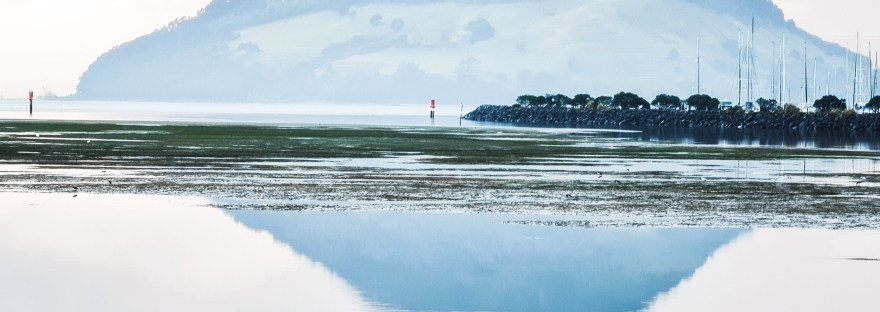
While walking along the harbourside on a lovely spring morning, I enjoyed the view and collected a few thoughts. Then a puff of steam at the harbour’s edge, particularly full-on that morning, stopped me in my tracks.
I’m sure many people don’t realise what lies beneath the surface of a rather sleepy, quaint suburb not that far from our front door. Things are hot and steamy beneath the surface, literally under our feet in Matua and surrounding areas.
Longtime locals, harbour users and fishers have recalled “hot spots” in the mudflats and shallow harbour margins, particularly around low tide, as well as warm-water areas near boat ramps and along parts of the coastline.
These small hot spring pools, where I’ve paddled my feet and never questioned their existence, were just part of the landscape along Harbour Road. Until now.
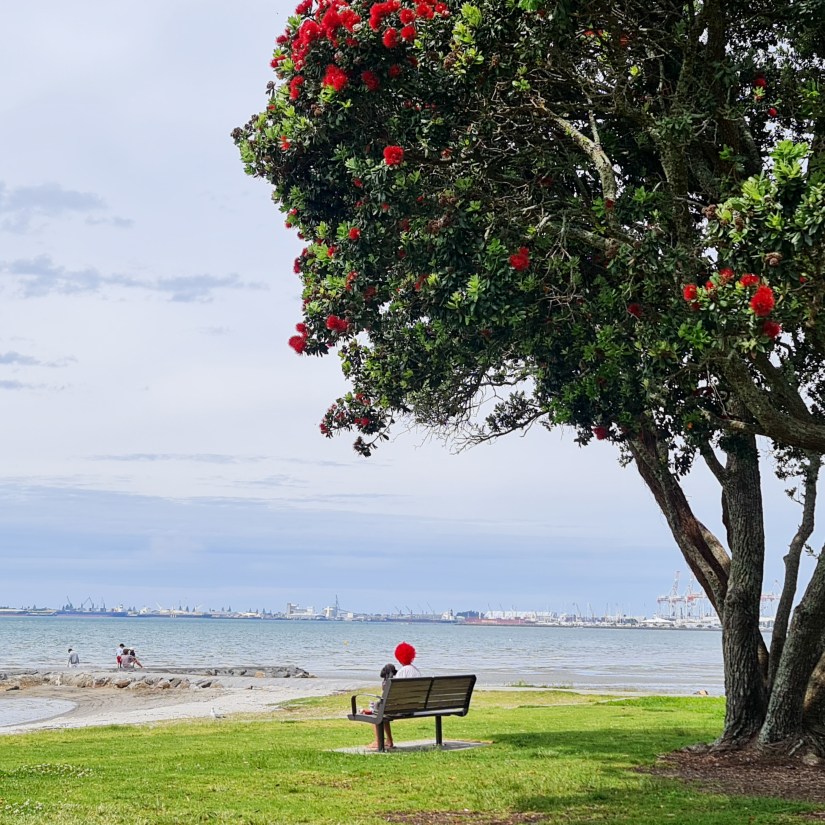
Well, this artesian hot (30-70C) water, using the same aquifer as the cold groundwater that taps into the Tauranga geothermal area extending from the west of us, Waihi Beach, heading east to Paengaroa, has been used for years and nothing new for many residents who have council resources to heat their pools.
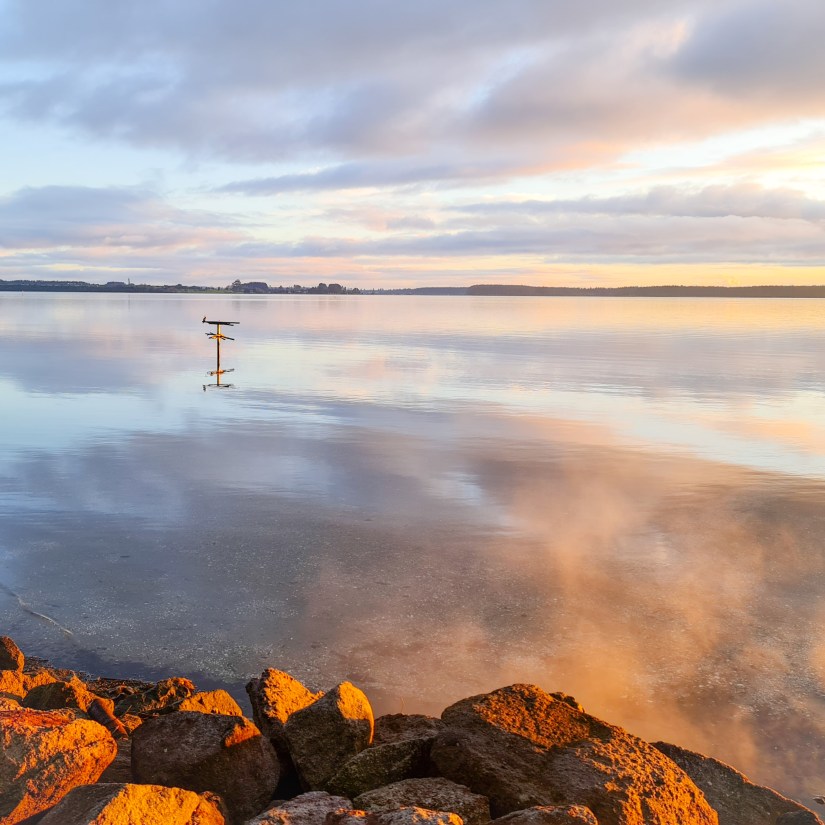
In the craziness of election year, sometimes it pays not to be distracted by the political theatre of the latest candidates stepping onto the world stage; some locals are on another pedestal, crying out that there’s a much bigger, more serious shift happening right under our feet.
In July this year, the government announced a $3 million geothermal test-drilling project in the Western Bay (Mount Maunganui and Te Puke).
Will it benefit the locals or create more mayhem? Here are some facts to consider beyond the noise.
The Lesson from the Past (Ohinemutu/Rotorua)

Decades ago, geothermal was a “free-for-all” of private backyard bores. It was treated as a free tap with no limit, ultimately depleting the system and forcing shutdowns. My parents used geothermal gas while living in Rotorua from the late 1980s to the late 1990s, and I can attest that it is a great heating resource; they even had an outdoor steam box for cooking. It was wonderful for those who lived in the suburbs near the city centre. Local access to geothermal energy is no longer available.
The Strategy of the Present
This new project isn’t a public free-for-all. It’s highly regulated, centralised infrastructure for commercial zones. Using a “closed-loop” system, the water is pumped back underground to protect aquifer pressure. Here’s an idea I read about: having a pressure valve by shifting local factories off the main electrical grid and onto direct underground heat (which can’t be used for electricity anyway). It frees up power capacity for the country’s digital future. More data centres (currently 56, with 20 in the pipeline) are popping up, and people are jumping up and down over pressure on our energy resources.
The Takeaway
When the political stage starts looking like a reality TV show, it pays to step outside the herd, change the channel, and look at the actual chess pieces being moved.
For all of us, perhaps our greatest asset is becoming independent thinkers amid all the puff of steam.
Header Image – along Harbour Road looking towards Mauao taken a previous year.


Do you ever swim there Suze? I’m just thinking how dangerous it would be if you hit a hot spot. Love the steam photos.
LikeLiked by 1 person
No, I don’t, Jude. I usually head to the beach or Pilot Bay. Though there’s a small sandy area further down where many people take a dip; mainly families with young children head there instead of the more popular beach areas.
LikeLike
Ah, data centres! They are a scourge on our landscape too, as well as greedy for our resources. I knew about Rotorua, of course, but didn’t know you had hot springs too.
LikeLiked by 1 person