
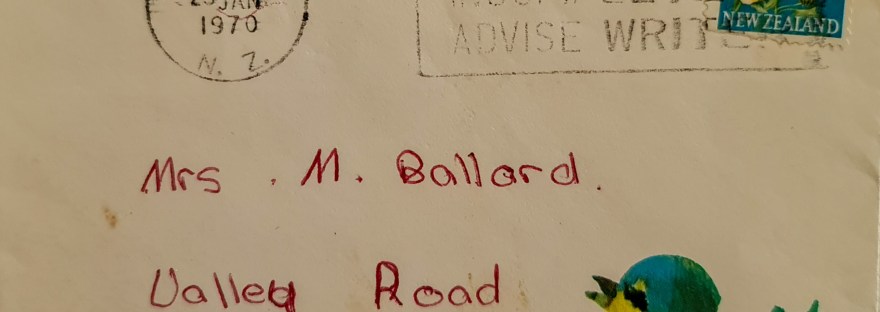
Years ago, most of us enjoyed sending postcards to family and friends on holiday. Even indulged in posting birthday cards. To be honest, it’s been a long time since I’ve done that. Then one day, curiosity had me wondering about the cost of doing so now.
Well, it’s certainly dearer, no surprise. The amount was astounding: to send a postcard, let alone a letter. Those in charge of NZ Post have stated the obvious over recent years: postal pricing is influenced primarily by the continued decline in mail volumes, with inflationary pressures adding to the challenge. They call it “a period of transformation,” with a shift in emphasis toward parcel delivery, where profit is obviously higher.
What are the new rates?
Standard letter prices increase by 70 cents to $3.60, while large and oversize letters increase by 70 cents to $4.90 and $6.20 each.
How slow has mail gotten?
Reliable sources say NZ addresses now receive an average of just one or two letters a week; this is down from over 10 per week when letter volumes were at their peak. With a largely fixed-cost national network, this drop in volume significantly increases the cost of delivering each mail item.
According to NZ Post’s last annual report, 158 million mail items were delivered in fiscal year 2025, down from 187m in 2024, while 88 million parcels were delivered, up from 84m in 2024.
And it’s not expected to get better.
During the next few years, we can only expect to receive one letter a week.
Has the cost of sending a letter really risen that much?
In a little over 20 years, the cost of sending a letter has risen around a whopping 700 per cent.
For years, the price of sending a letter was pretty stable – from 1995 to 2004, it stayed at 40 cents. It rose to 45 cents in 2004, making the latest $3.60 rise a 700 per cent increase.
Stamp costs started jumping dramatically about 10 years ago. Back in 2016, posting a standard letter cost $1.
That is well outpacing the rate of inflation, according to the Reserve Bank’s inflation calendar. A $1 stamp at the start of 2016 would be just $1.37 now if it had kept pace with the general rate of inflation.
Of course, if you’ve held on to a roll of KiwiStamps since their introduction in 2009, you’re good as gold because they hold their value indefinitely, meaning they’ll still be good no matter how high letter prices get.
Are people still sending letters, though?
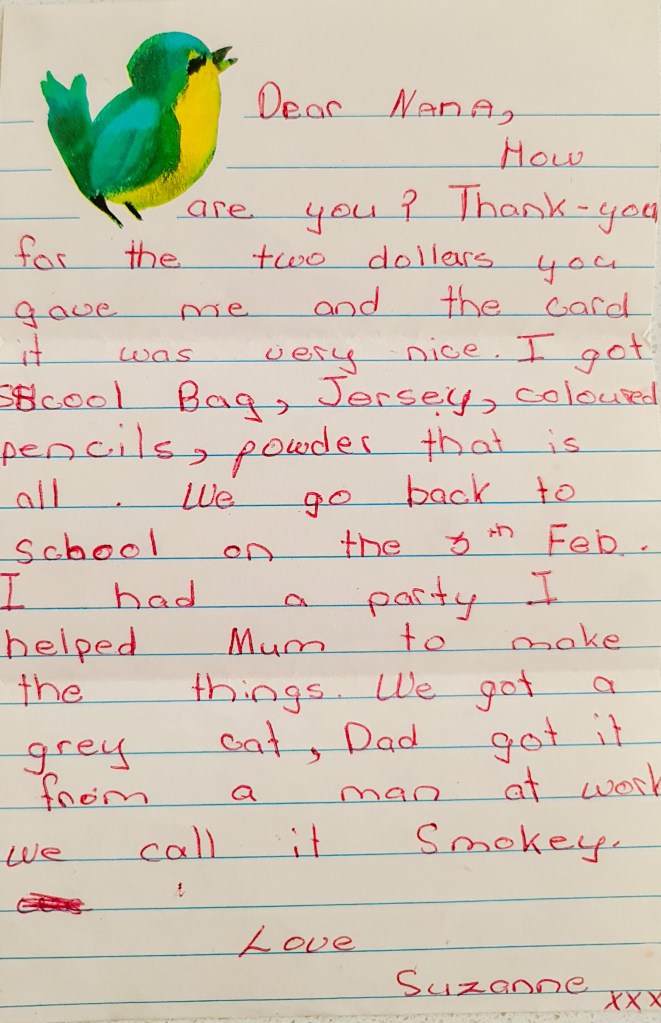
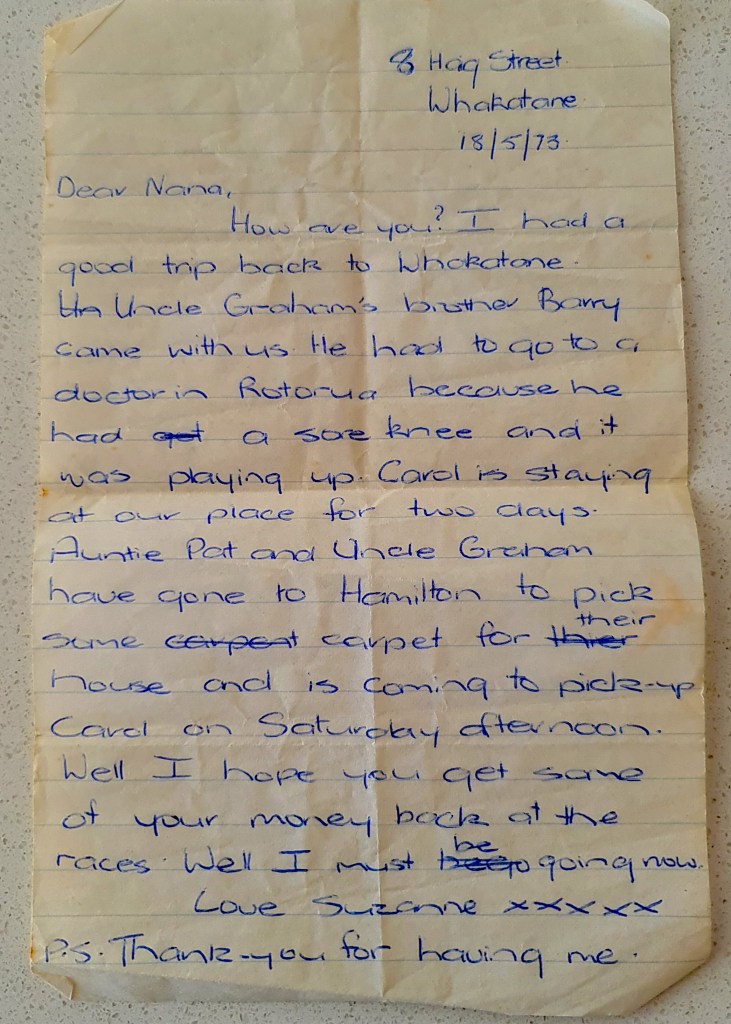
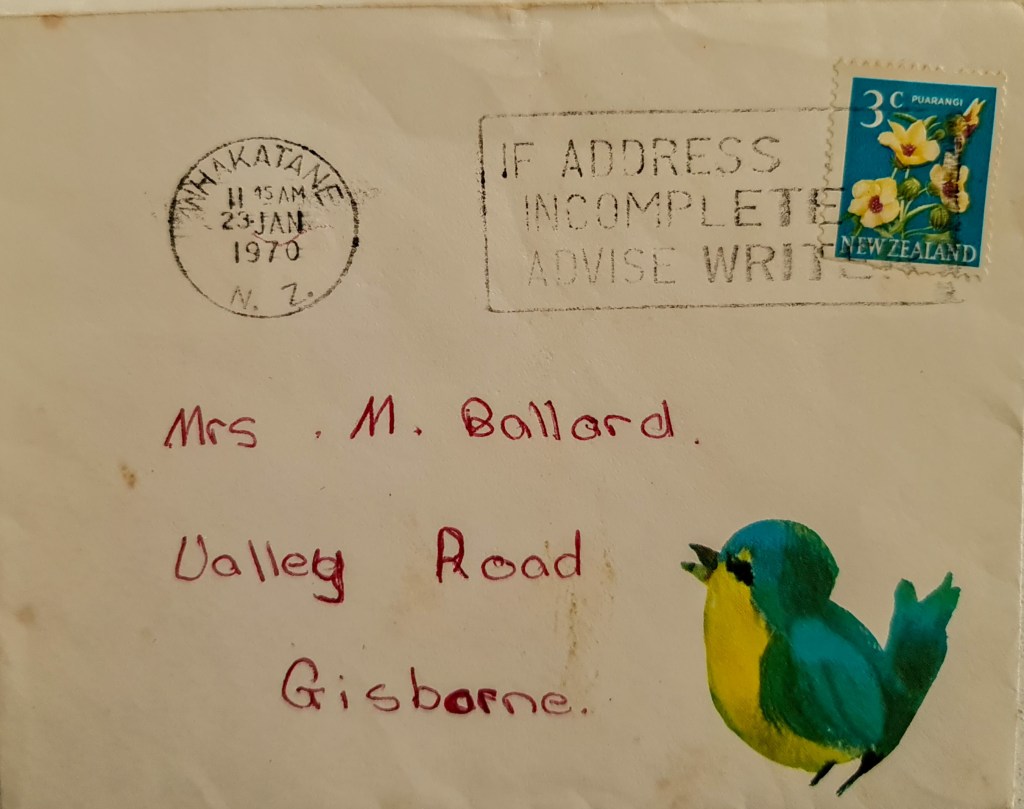
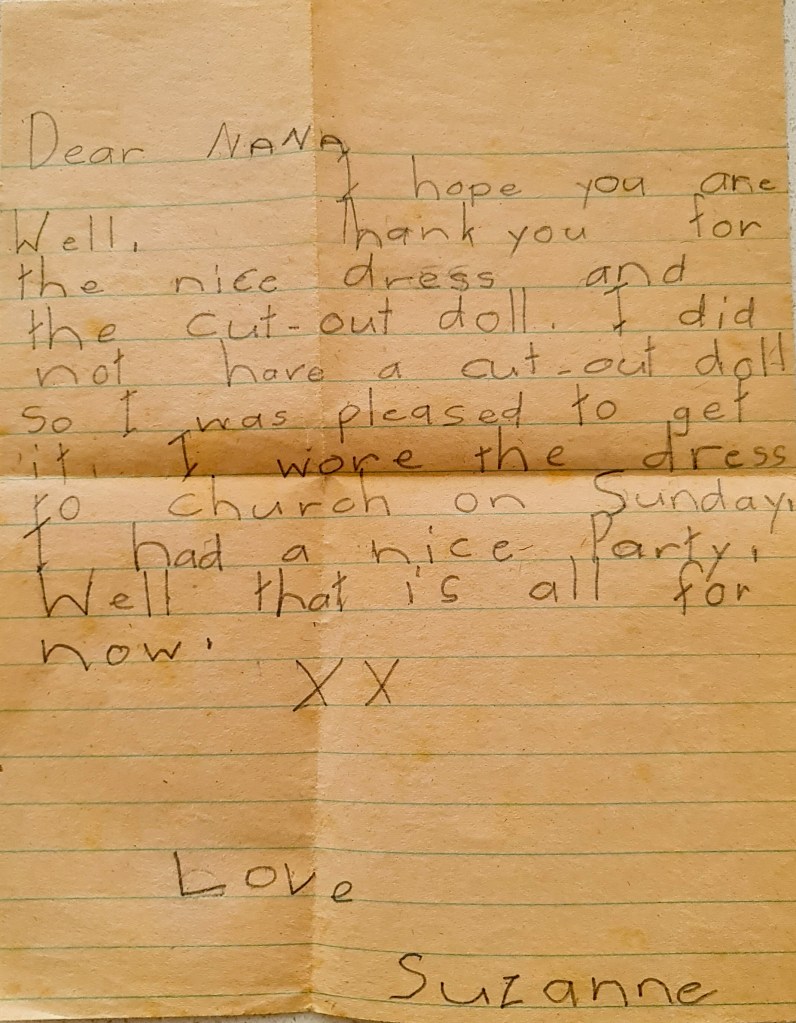
There are definitely far fewer of them, though they’re still out there, and people still enjoy corresponding with family and friends via slow mail. It’s always been a way for many to stay in touch. If my Nana were alive, I am pretty sure she would still be sending me a letter every week, as well as having a chat on the phone.
I have a feeling this will decrease even further over time. Who knows, as many things from years ago have suddenly become more popular and “different” for those who didn’t grow up with them.
Give it to me straight – is mail doomed?
As we all know, it may be more expensive, though for now, the postie will still get that card to your special person no matter where they live. Just like a phone call is superior to a text, so is a handwritten card to an email.
Now, where’s my favourite pen and stash of cards gone?


I wrote and sent two postcards to family from Indonesia earlier this year. The postage was significantly less than it is here in Australia (as is everything over there) but turns out, it didn’t even reach our shores. So disappointing! Not sure what happened. Maybe the cards went via Iceland and got lost! Shame. There’s nothing quite like getting a physical card or letter in the letterbox. Anyway, great post Suzanne (pun intended). Prices have definitely gone up and sadly, I think snail mail may be a thing of the past. 🐌
LikeLiked by 1 person
Yes, it is sad that your postcards didn’t reach their recipients. I’m thinking perhaps our world will revert to being smaller, and we’ll only receive written cards in person. Though I still hope snail mail makes a comeback for romantics who love receiving a surprise in the mailbox.
LikeLike